

Flower Meanings: Complete List of Flowers and Their Symbolism

Flower meanings help you express feelings when words feel too small. For example, you might give red roses for romantic love, sunflowers for adoration, and daisies for innocence. However, flowers and their meanings change based on color, culture, and occasion.
So if you are choosing a bouquet for someone special or just searching for the meaning of a particular bloom, this guide will solve your problem step by step. You will find a quick flower meanings list, what different colors mean, and which flowers work best for love, friendship, weddings, and sympathy.
Sometimes, finding the right words for your feelings can feel awkward or even a little cringe. If you want to understand how modern language describes those embarrassing or overly sentimental moments, you can also check out our detailed guide on cringe meaning and how it is used in everyday conversations.
What Are Flower Meanings and Why Do They Differ?
People have used flowers to send secret messages for centuries. This tradition, called floriography or the language of flowers, became popular in the 19th century in Britain and America.
For instance, Victorians used floral dictionaries to decode bouquets. A red rose meant love, while a violet stood for modesty. Today, that tradition still influences how we gift flowers.
Why does the same flower mean different things? Several factors cause this difference:
- Culture matters most. For example, chrysanthemums mean happiness in the US but mourning in many parts of Europe and Asia.
- Color changes everything. A red rose and a yellow rose send completely different messages, even though the flower is the same.
- History and folklore play a role. Myths, religious stories, and poems have shaped what we associate with lilies, roses, and forget-me-nots.
- Occasion is key. Therefore, you should always consider the event, not just the dictionary definition.
In short, think of flower symbolism as a helpful guide, not a fixed rule.
Flower Meanings List: 20 Popular Flowers and Their Symbolism
Here is a quick, practical list to help you choose the right bloom without confusion.
Flowers That Mean Love and Romance
Rose: Symbolizes love, affection, and beauty. Red roses mean deep romantic love, while pink roses show admiration.
Tulip: Represents perfect love and the arrival of spring. Tulips work well for a new relationship or a fresh start.
Peony: Stands for prosperity, romance, and a happy marriage. Because of this, peonies are very popular in wedding bouquets.
Calla Lily: Means beauty, grace, and sophistication. People often choose it for elegant weddings and formal events.
Flowers That Mean Friendship and Positivity
Sunflower: Symbolizes adoration, loyalty, and warmth. Its bright face makes any gift feel cheerful and supportive.
Daisy: Represents innocence, simplicity, and purity. Daisies are perfect for friendly, casual bouquets.
Zinnia: Means lasting affection and friendship. It is a thoughtful choice when you want to remember a faraway friend.
Sweet Pea: Shows gratitude, pleasure, and a sweet goodbye. Use it to thank someone for a lovely time.
Flowers That Mean Peace, Purity and Remembrance
Lily: Traditionally means purity, innocence, and renewal. White lilies, in particular, feel very peaceful.
Orchid: Symbolizes elegance, beauty, and admiration. Orchids suit sophisticated gifts.
Forget-me-not: Clearly means remembrance and lasting affection. It tells someone, “Don’t forget our connection.”
Baby’s Breath: Represents innocence and everlasting love. Florists often add it to romantic arrangements to soften the bouquet.
Other Popular Flowers and Their Meanings
Carnation: Means affection and admiration. Pink carnations especially honor maternal love.
Daffodil: Stands for renewal, hope, and new beginnings. Daffodils encourage someone starting a new chapter.
Lavender: Symbolizes calmness, serenity, and devotion. It is ideal when you want to send a peaceful message.
Iris: Means wisdom, hope, and courage. Irises suit someone beginning a new journey.
What Do Different Flower Colors Mean?
The color often matters more than the flower type itself. Even two identical roses can mean different things.
Red, White, and Pink Flowers
Red flowers show love, passion, and strong emotions. So choose red roses for anniversaries or Valentine’s Day when you want to express deep romance.
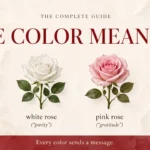
White flowers represent purity, peace, and sincerity. For this reason, people use white lilies and white roses for both weddings and respectful sympathy tributes.
Pink flowers mean admiration, tenderness, and gratitude. If you want to thank a friend without sounding too romantic, pink is the safest choice.
Yellow, Blue, Purple, and Orange Flowers
Yellow flowers radiate friendship, happiness, and optimism. Yellow sunflowers and daisies can instantly brighten someone’s day. Note that some old dictionaries link yellow roses to jealousy, so context matters.
Blue flowers create a sense of calm, trust, and hope. They work well when you want to send a peaceful, supportive message.
Purple flowers convey dignity, admiration, and elegance. Purple irises or lavender add sophistication and show respect.
Orange flowers burst with enthusiasm, energy, and excitement. Therefore, they are perfect for birthdays, promotions, and celebrations.
Which Flowers Should You Choose for Different Occasions?
Start with the feeling, not just the flower. Ask yourself what you want the other person to feel.
For Love and Romance
For romance, red roses are the classic choice. However, you can also try tulips or orchids if you want something elegant and less traditional. Most importantly, consider your partner’s favorite flower first – a personal favorite often beats traditional symbolism.
For Friendship and Thank You
To celebrate a friend, pick bright and cheerful blooms like sunflowers, yellow roses, or pink carnations. These flowers communicate warmth and appreciation without any romantic pressure.
For Weddings and Celebrations
Weddings call for beauty and prosperity. Peonies, roses, lilies, and orchids are all excellent options. Match the bouquet colors to the wedding theme for a thoughtful touch.
For Sympathy and Remembrance
When you want to express sympathy, white lilies, white roses, and forget-me-nots feel respectful and peaceful. In this situation, cultural and religious customs are especially important, so ask a family member or local florist if you are unsure.
For New Beginnings and Encouragement
If someone starts a new job or moves to a new home, daffodils and sunflowers are perfect. They symbolize renewal and positivity, which encourages the person for their next chapter.
Frequently Asked Questions About Flower Meanings
Are flower meanings official or scientifically proven?
No, flower meanings are not scientific facts. Instead, they are cultural and historical associations. Some meanings are widely recognized, while others come from one specific tradition.
Can I mix different flowers in one bouquet?
Yes, absolutely. Mixing flowers lets you combine sentiments. For example, you can pair roses for love with sunflowers for admiration to create a warm, romantic bouquet.
Does the number of flowers in a bouquet have a meaning?
In some cultures, yes. For instance, certain numbers have special meanings for gifting or memorials. If you are buying flowers for someone from a different cultural background, it is wise to check local customs first.
Final Takeaway: How to Use Flower Meanings the Right Way
Ultimately, flower meanings should help you, not confuse you. Roses, sunflowers, lilies, and daisies all have beautiful traditional stories, but the most meaningful bouquet considers four things together: the flower, its color, the occasion, and the person’s own taste.
So use this flower meanings list as your starting point. Then add a personal touch. A thoughtful choice that reflects your genuine feelings will always communicate more than any dictionary definition alone.
If you want to explore the history behind these associations, you can check the historical flower dictionaries archived by the Royal Horticultural Society’s guide to the language of flowers and the Iowa State University Extension flower meanings guide, which show how the same bloom was interpreted differently across time and cultures. For a deeper academic reference, the New York Botanical Garden‘s flower meanings index also lists traditional meanings from 19th-century floriography.